

 Skip to content
The foundation of a successful implant is laid before treatment begins. Assessing bone quality,
nerve position and jaw condition helps us choose the most precise treatment method.
No two patients present the same conditions. The implant site, the number of implants and the treatment stages must all be planned around the state of the mouth and jaw and the needs of each patient.
Gum health plays an important role in the long-term success of an implant. Sound treatment that protects the tissue around the implant reduces the risk of inflammation and future problems.
An implant is not only a replacement tooth; the aim is to restore natural chewing and speech and to maintain balanced jaw function.
An implant is not only a replacement tooth; the aim is to restore natural chewing and speech and to maintain balanced jaw function.
Implant durability does not depend on the brand alone. Correct diagnosis, precise execution and post-operative care are the most important factors in long-term success.
Implant durability does not depend on the brand alone. Correct diagnosis, precise execution and post-operative care are the most important factors in long-term success.
A calm, considered path; from the first visit
to the moment your new smile appears.
A calm, considered path; from the first visit to the moment your new smile appears.
Through a specialist examination and review of radiographic images, the condition of the jawbone and suitability for implant placement are assessed.
The titanium implant fixture is placed precisely in the site of the missing tooth to take the place of the natural tooth root.
At this stage the implant fixture fuses with the jawbone, creating a sound foundation for fitting the permanent crown.
Once healing is complete, the final crown — matched to the colour and shape of your natural teeth — is fitted onto the implant.
I missed the days when I could eat comfortably and smile with confidence. Now, I can finally enjoy those wonderful moments again.
After years of struggling with missing teeth, Parvin decided to restore her smile and improve her quality of life. Following a thorough examination of her oral health and jawbone condition, a personalized dental implant treatment plan was developed to help restore comfortable chewing and create a natural-looking smile that complements her facial features.
Dental Implant Treatment · Mashhad


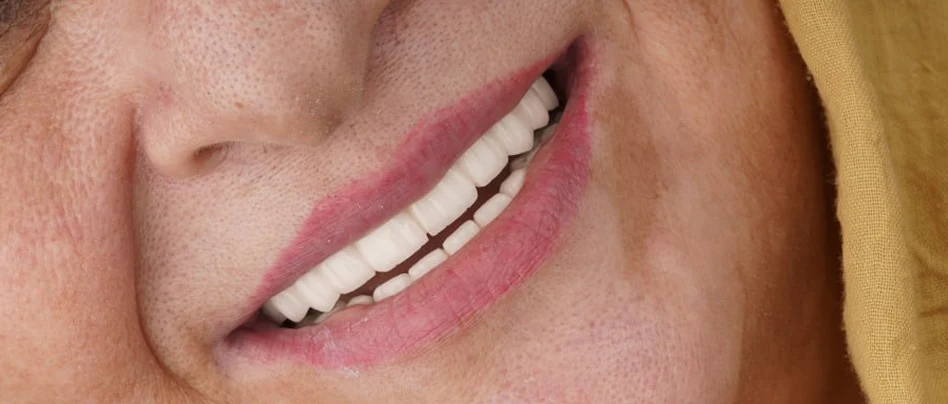
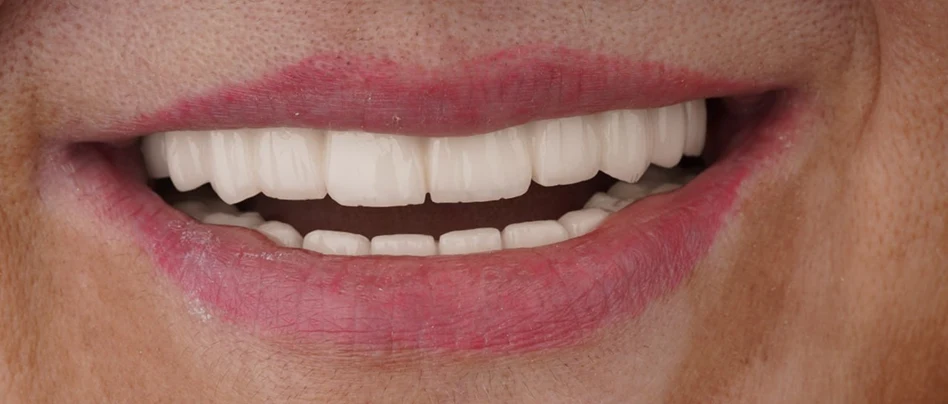


My goal is not beauty alone. In every treatment, preserving as much enamel and healthy natural tissue as possible is the guiding priority of the design.
When planning treatment, factors such as the number of missing teeth, bone quality, jaw alignment and the patient’s needs are all assessed, so the outcome preserves natural function alongside appearance.
The aim of implant treatment is not simply placing a fixture; protecting the health of the surrounding tissue, correct tooth function and the durability of the treatment in the years ahead are an important part of Dr. Ali Khabazzade’s approach.
No. Insufficient bone does not always make treatment impossible. After assessing the jawbone and reviewing imaging, methods such as bone grafting or other supporting treatments may be recommended to create the right conditions for an implant. The final decision is made after examination and careful review of each patient’s condition.
Implant success does not depend on the brand or fixture material alone. Correct diagnosis, jawbone quality, treatment planning, surgical precision, gum health and adherence to aftercare are the most important factors affecting the durability and long-term success of an implant.
The aim of implant treatment is to restore natural tooth function as far as possible. With correct planning, sound placement and a well-designed crown, an implant can perform very close to a natural tooth in chewing, speech and maintaining a beautiful smile.
Before treatment begins, the condition of the jawbone, gum health, the position of adjacent teeth, jaw alignment and the general state of the mouth are assessed. Where necessary, three-dimensional imaging (CBCT) is also carried out for precise treatment planning.
In many cases, implant problems are linked to poor oral hygiene, gum disease, excessive chewing force, smoking or missed routine check-ups. Sound treatment and regular care play an important role in extending the life of an implant.
The right time for implant placement depends on the condition of the bone and gums, the presence of infection and the treatment plan. In some patients an implant can be placed immediately after extraction; in others the bone and surrounding tissue must heal first to create the right conditions for treatment.
Please rate this content
Ask our specialists anything about dental implants. Every question is reviewed by our
clinical team and receives an official, expert answer — so you can decide with knowledge, clarity and confidence.
Complete the form below. Our team will review your question and, once approved, it will appear in the answers section.
Your information stays completely confidential. All questions are reviewed and approved before publication.